Uncategorized
25 Mar 2024
1 min read
How trackout and wheel washing equipment improves your site profitability.
Uncategorized
How trackout and wheel washing systems improve profitability
Prevent clean up costs
Environmental compliance is a top priority for contractors, who are now turning to proactive methods like trackout equipment and wheel washing systems. These tools not only meet regulations but also enhance operational efficiency. By preventing the spread of mud and debris, they reduce clean-up costs and ensure compliance with environmental standards, ultimately saving on reactive cleaning expenses.
Keeping your trucks operational
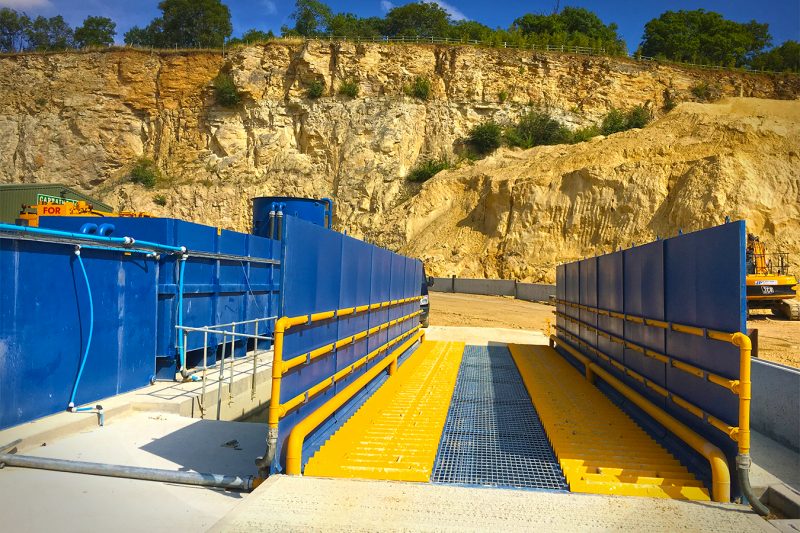
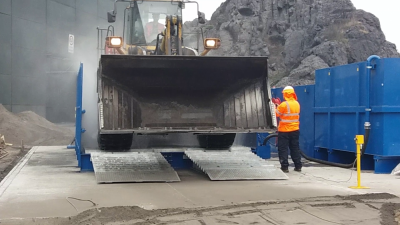
One of the key components in this arsenal of environmental protection is the automatic wheel-washing system. These systems are designed to remove mud and debris from vehicle tyres using high pressure spray when vehicles are driven across a raised platform. Equipped with programmable controls, sensors, and water storage tanks, these systems efficiently clean tyres and ensure that contaminants are captured and properly managed.
Moreover, automatic washing systems enhance operational efficiency by keeping trucks moving, thus avoiding delays associated with manual cleaning processes. This not only saves on labour costs but also ensures smoother operations on job sites, leading to increased productivity and profitability.
Enhanced reputation
Beyond cost savings, wheel wash systems offer significant reputational benefits. By keeping job sites clean and demonstrating a commitment to environmental stewardship, contractors can enhance their company image and maintain good relations with neighbours and local communities. This proactive approach not only fosters goodwill but also helps in building a positive reputation for the construction company, ultimately leading to greater success and growth in the industry.
Next steps:
The adoption of automatic wheel-washing systems represents a proactive approach to environmental compliance and operational efficiency in the construction industry. By minimising the spread of contaminants, reducing clean-up costs, and demonstrating a commitment to environmental stewardship, these systems contribute to improved profitability and sustainability for construction companies. Embracing these technologies not only ensures compliance with regulations but also fosters a positive image and strengthens relationships with stakeholders, paving the way for long-term success in the construction sector.